What happens when an ad loads
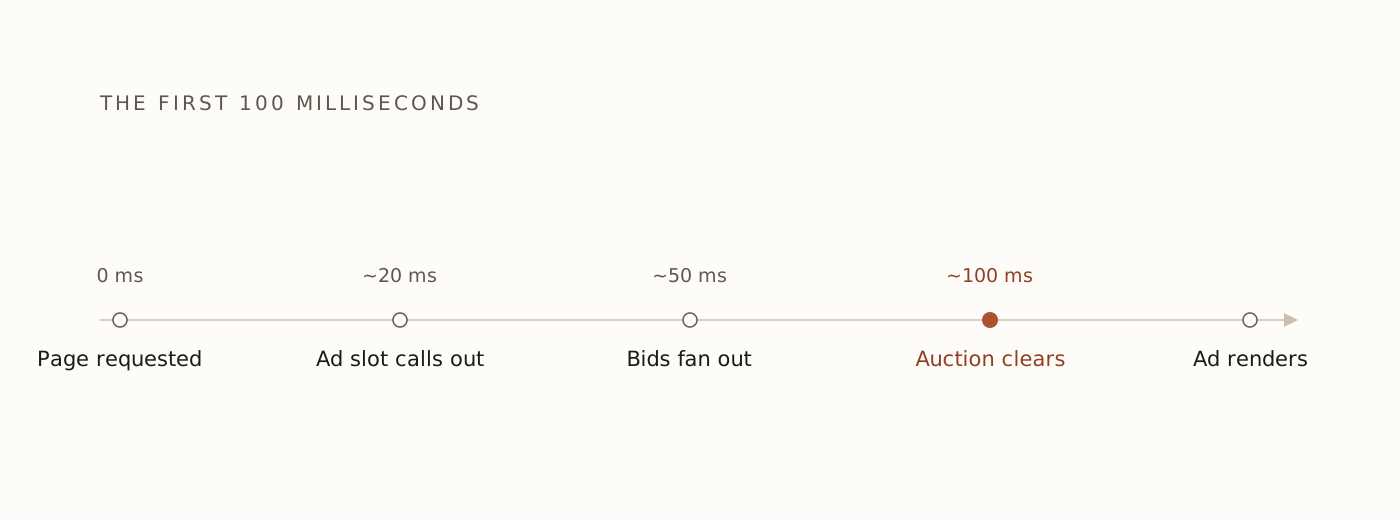
The dashboard shows you the result. Here is the hundred-millisecond auction that produced it.
This is a placeholder draft for reviewing the article template. The real note will replace it.
Every ad you have ever bought was sold in about a hundred milliseconds, and you were not in the room.
Here is the short version of what happens. A reader opens a page. Before the article finishes rendering, the ad slot on that page calls out to an ad server, which calls out to exchanges, which call out to dozens of bidders. Each bidder gets a small packet of information: the page, the slot, a rough sense of who is looking at it.
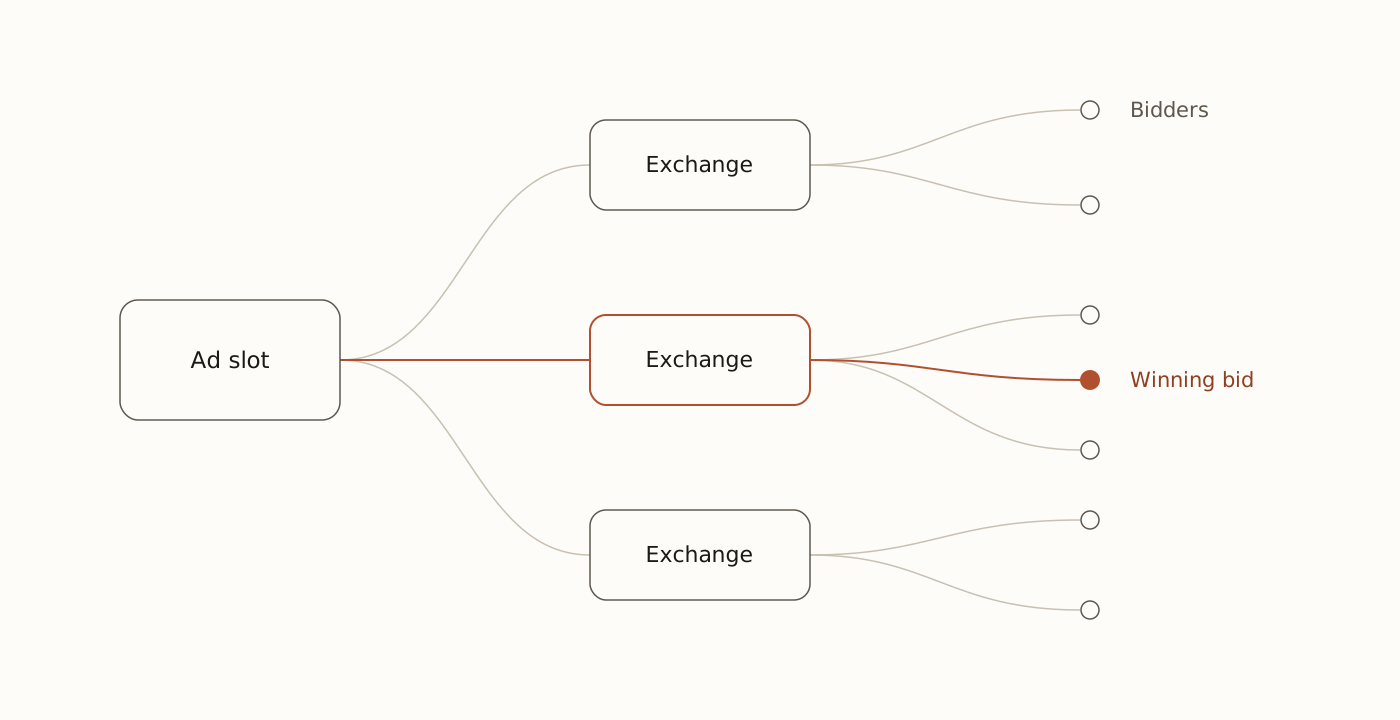
One ad slot fans out through exchanges to dozens of bidders. One path comes back with the winning ad.
Each bidder decides, in a few milliseconds, whether this impression is worth anything to the campaigns it represents. Most say no. Some say yes and name a price. The exchange picks a winner, the winning creative comes back down the chain, and the ad renders. The reader never notices any of it.
Your dashboard shows you the aftermath: an impression, a cost, maybe a click. It does not show you the auction, the intermediaries who each took a slice on the way through, or the impressions you lost without knowing you were bidding.
I spent years on the selling side of this machine, inside header bidding setups and OpenRTB integrations, watching money move through plumbing that most buyers never see. The thing I want you to take from this note is simple: the numbers in your dashboard are not the event. They are a receipt.
Once you start reading receipts with that in mind, better questions follow. Who else was in that auction? What did the path from my budget to that ad slot actually look like? We will get to those in future notes.